Why designing workspaces for every mind matters
I’ve always believed that the spaces we work in shape how we feel, think, and collaborate. And in our workspaces at ARC, where ideas can change lives, the way we design those spaces matters more than ever.
We all process the world differently. For some, the buzz of an open-plan office is inspiring. For others, it’s exhausting. And yet, for years, workplace design has treated everyone the same.
At ARC, we’ve made it our mission to create workplaces that celebrate inclusivity. Neurodiversity is a big part of that. It’s about starting with the question: How can we make sure everyone feels comfortable, included, and able to do their best work.
HOK, a leading architecture firm, began exploring the topic of neuroinclusive design in 2017, focusing on creating environments that are welcoming and accommodating for people with diverse needs, including those who are neurodivergent. This involves considering how elements like scale, proportion, colour, and texture impact sensory experiences, and designing spaces that offer a range of options to support different needs and preferences, however until last year that there was a dearth of research on inclusive laboratories.
That’s why we partnered with HOK and the University of West of Scotland to deliver industry leading research and open access report findings on how scientific workspaces can be more inclusive.
The results speak for themselves. When you create spaces that support every mind, people feel seen, valued, and empowered and can do their best work. Studies show that workspaces that support diverse thinking enhance creativity and innovation by 20%.
At ARC we provide state-of-the-art office and laboratory spaces across four campuses, designed to support the full spectrum innovation. From flexible co-working environments for early-stage startups, flexible office space to fully fitted high-specification labs for established research organisations, ARC campuses offer spaces that can scale with a company’s growth.
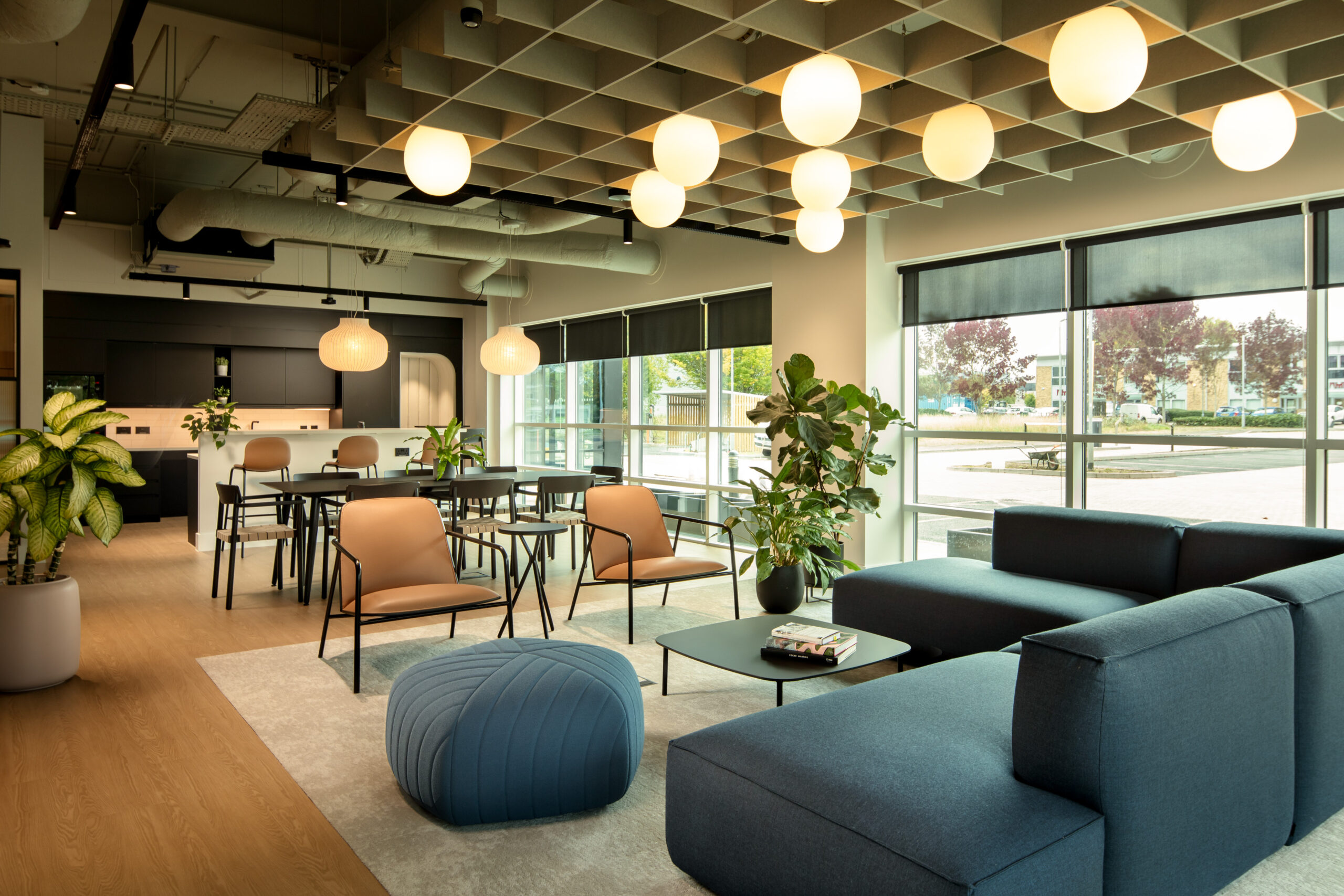
Designing buildings to offer freedom of choice and seamless movement between work points empowers individuals to select environments that best suit their needs and neurotype. That means incorporating breakout zones, adjustable desks and furniture, sensory-friendly meeting rooms, and quiet pods, alongside reading nooks and collaboration areas within office and labs, so everyone can find a setting that supports their focus, comfort, and well-being.
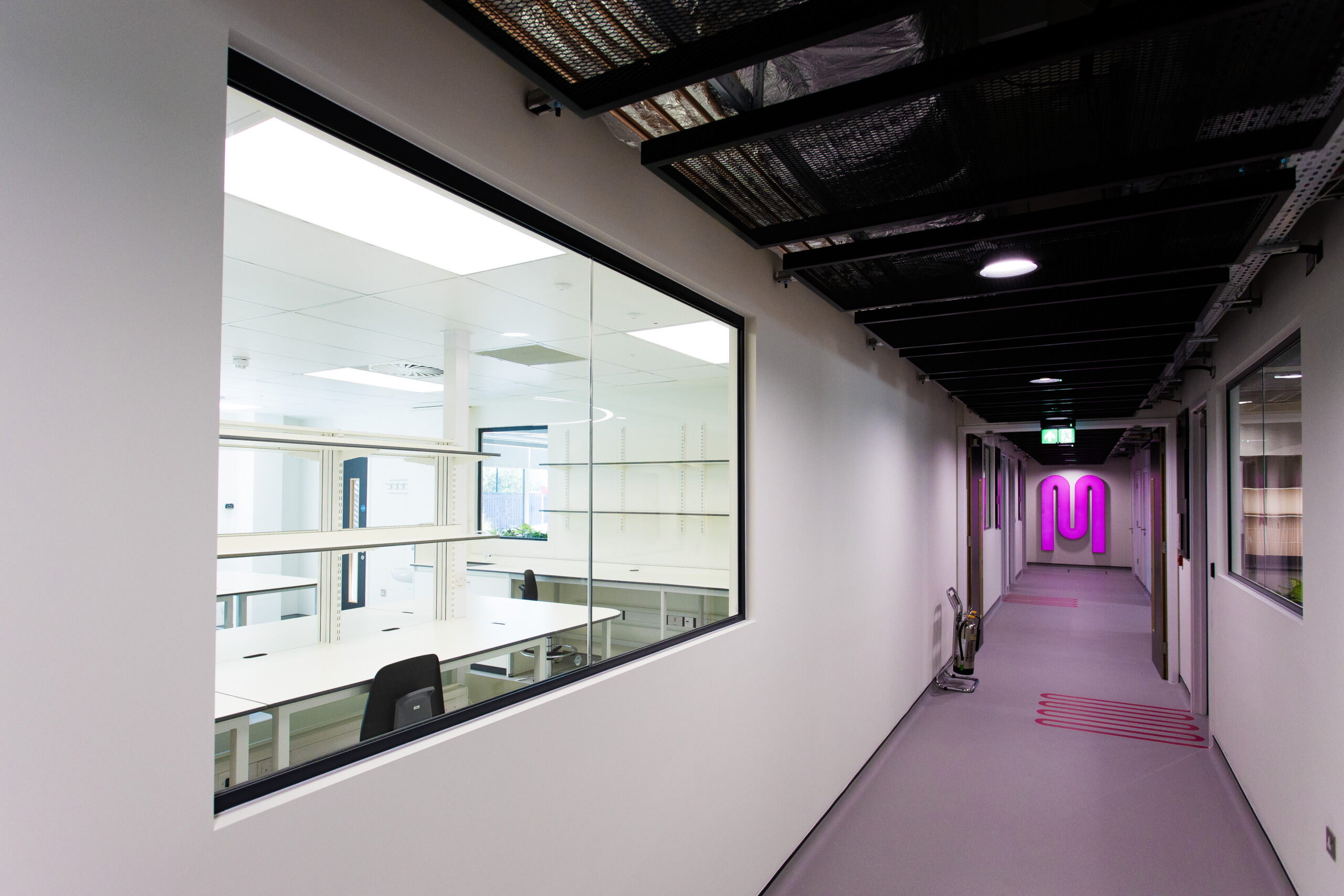
It’s the small things that make a big difference too, softer lighting, better acoustics and clear wayfinding. These details might seem subtle, but for someone who struggles with glare or background noise, they can transform the experience of coming to work.
When we planned the refurbishment of Lumen at Harwell Science and Innovation Campus, we thought about the user journey through every space. Whether it is delineating different working areas with different floor treatments, bringing in biophilic aspects into the building with planting and using natural elements such as wood, to ensuring accessibility throughout, we used the learnings from the report to create an inclusive and accessible workspace.
Workplace design shouldn’t be about following trends; it should be about understanding people who will be using the space, because if we want to attract the best talent and to support the organisations that are based at our campuses, we need to create environments that work for everyone.
Written by Jenny Gardner, Development & Construction Director, ARC
Photography by Phil Grayston:BondBryan:Fairhursts